Each region of Morocco produces a distinct visual language shaped by its climate, communities, and material culture. Understanding where a rug comes from is the starting point for understanding what it means.
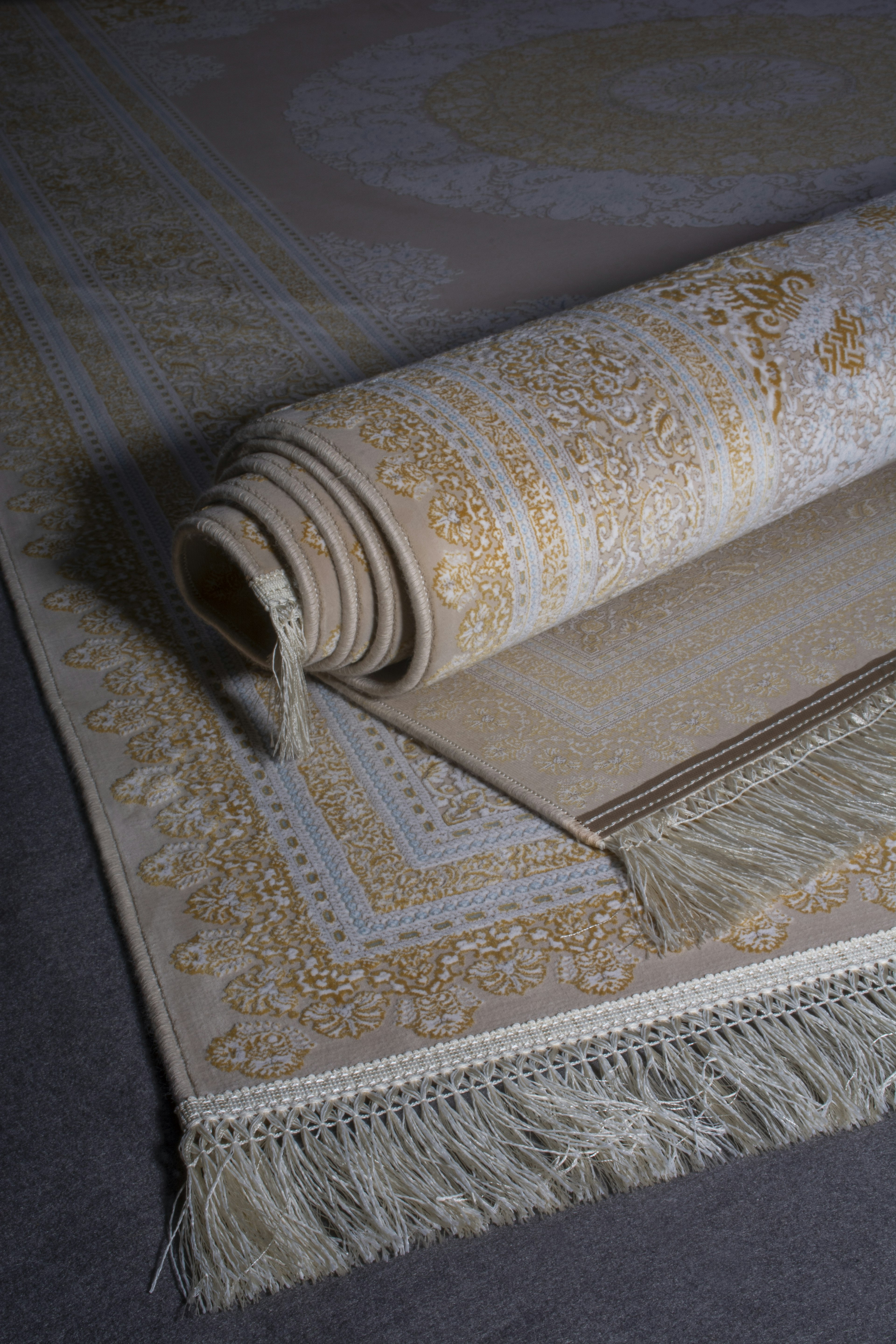
The high mountains across central Morocco. Cold, remote, and cut off for much of the year — and the weaving that came out of that isolation is tight, geometric, and disciplined.
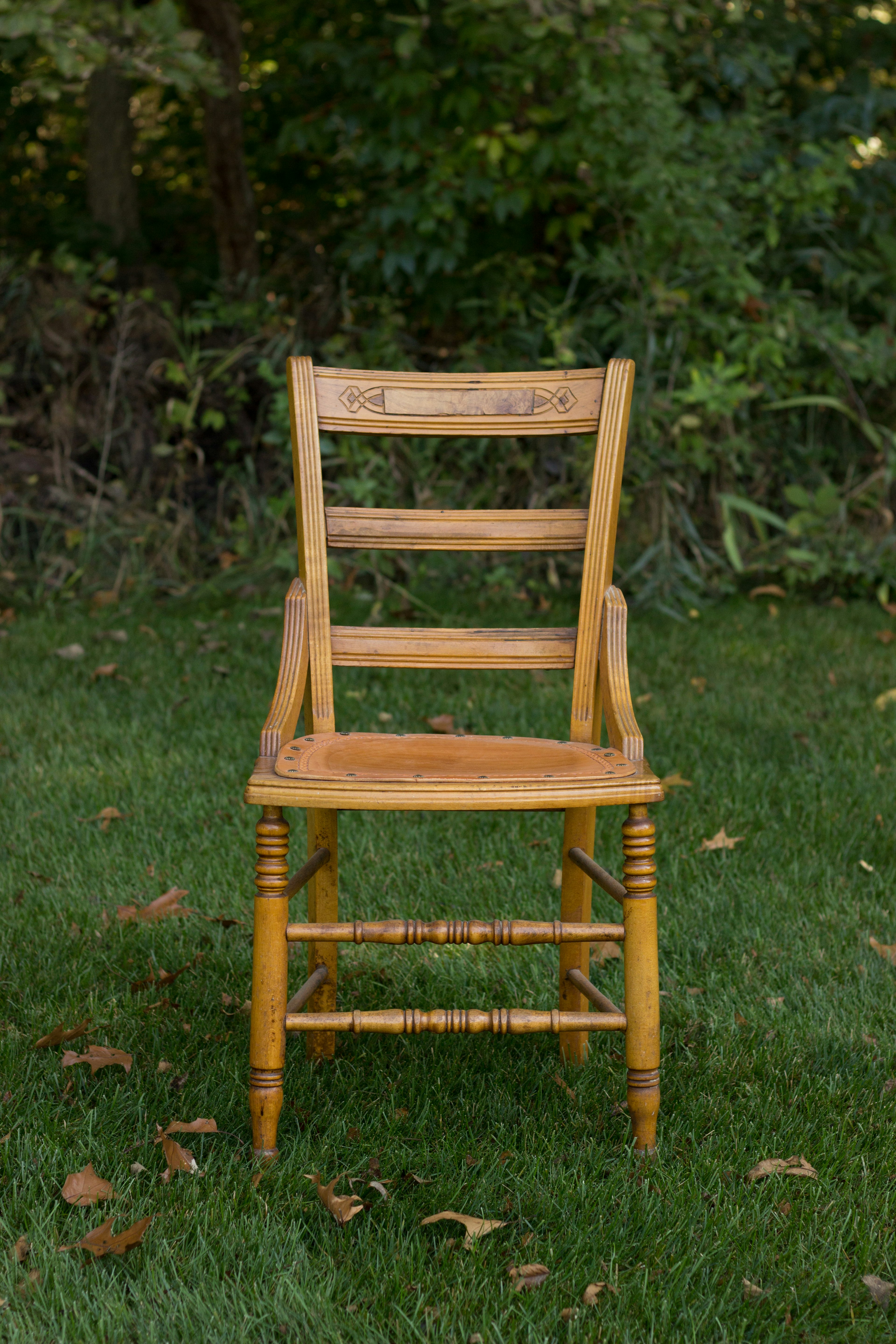
The farmland around Marrakech. Being close to the city brought new materials and ideas within reach without erasing the local hand, so the weaving here sits between country and town.
The dry, mineral-coloured range that runs southwest toward the Sahara. Little water, few dye plants, and a weaving tradition that turned that scarcity into a style: spare, structural, economical.
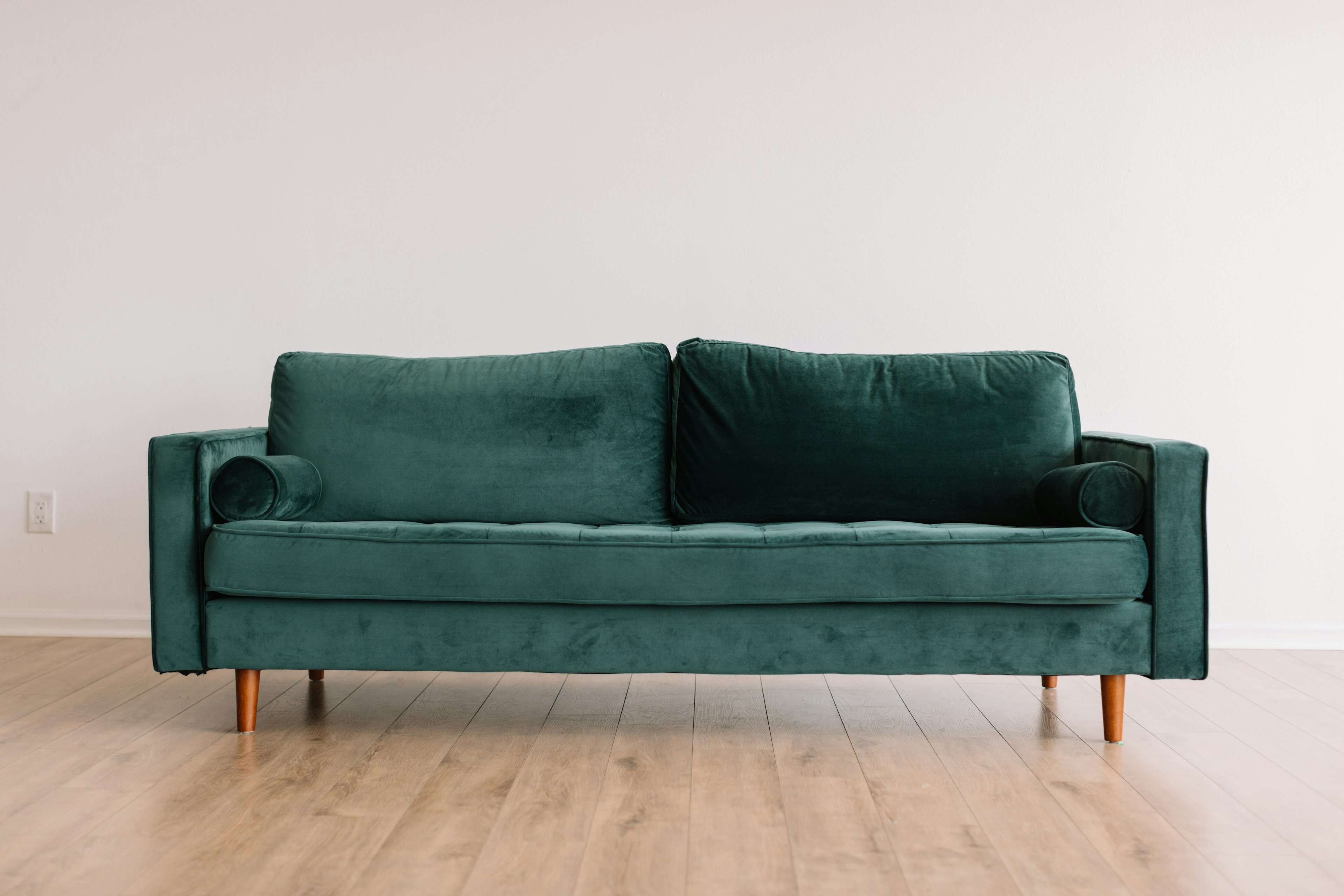
Beni Ourain country — the source of the ivory, deep-pile rugs that became one of the most recognised Moroccan textiles of the last century. The tradition on the ground is far more varied than that one famous look suggests.
The pre-Saharan and Saharan south. The weaving here was shaped by moving — nomadic life, the old trans-Saharan trade routes, and the cultures that crossed the desert margins.