Lozenge
The diamond. The most common shape in Amazigh (Berber) weaving, and the one you will hear the most stories about.
The lozenge is everywhere — in rugs, tattoos, silver, painted on walls — across North Africa. It is the base unit of the whole visual language, the shape everything else is built from or around.
You will be told it means protection, or fertility, or the eye that turns away harm, or a woman's body. You will be told this with great confidence, usually by someone selling the rug. Some of it may be true. The honest problem is that most of these fixed meanings cannot be traced back to the women who wove them. They were collected, and often assigned, by dealers and by European scholars in the last century, and then repeated until they hardened into fact. Ask an older weaver what a diamond means and she may tell you it protects. She may also shrug and say it is the shape her mother used, and her mother before that. Both answers are real. The mistake is printing only the first one.
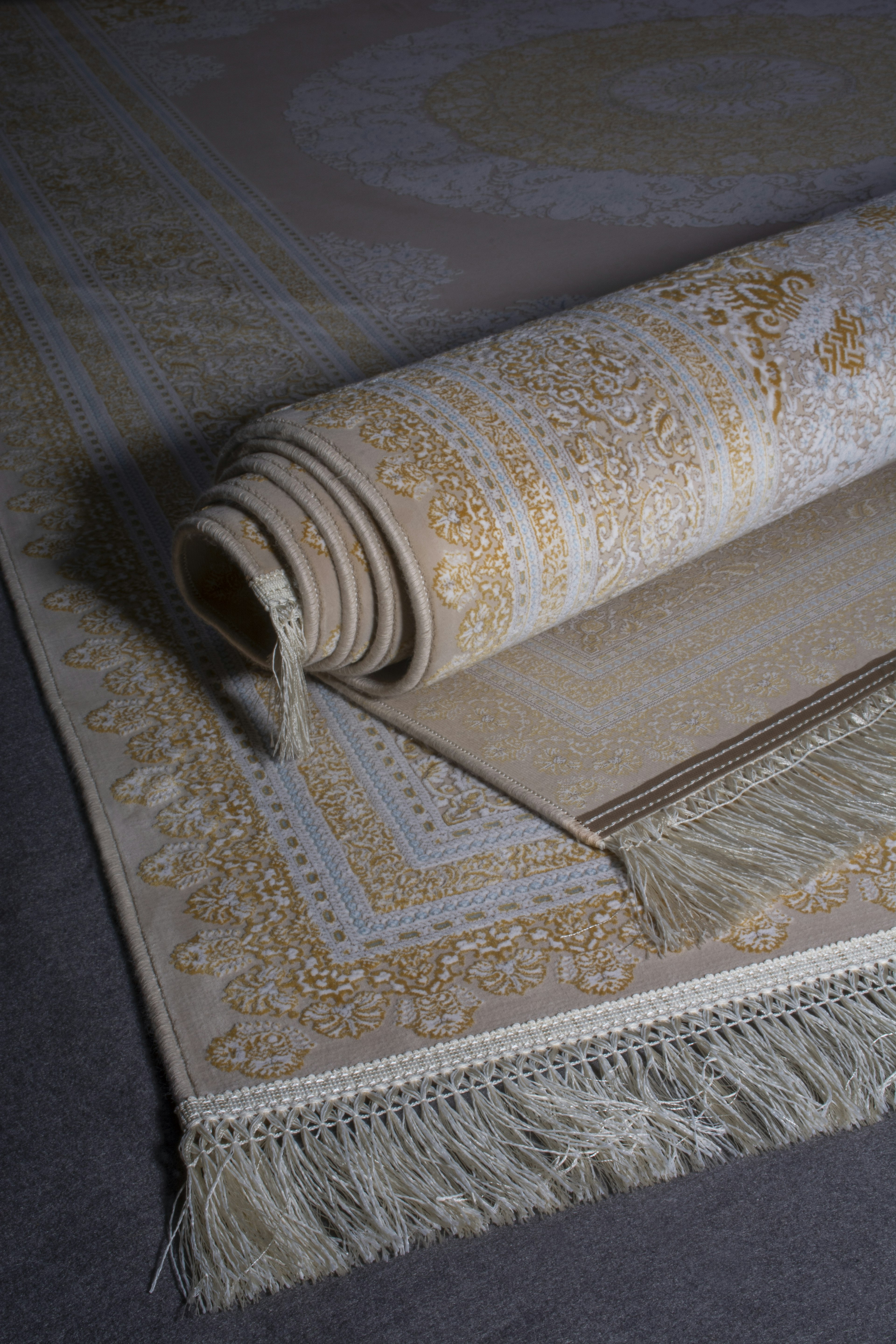
What can be said plainly is structural, and it is more useful for reading a rug. A nested lozenge — one diamond inside another — is common in the High Atlas, and around Aït Benhaddou the proportions are specific enough to help place where a rug was made. An open lozenge, outline only, sits differently in the eye than a filled one. And a strict lozenge grid has no top or bottom — turn it any way and it reads the same — while a field of lozenges that shrink from one end was built to be seen from a particular direction, which tells you something about how it was meant to be used.
That is the part worth knowing. The rest is a story the market likes to tell, and you can enjoy it without mistaking it for a fact.